
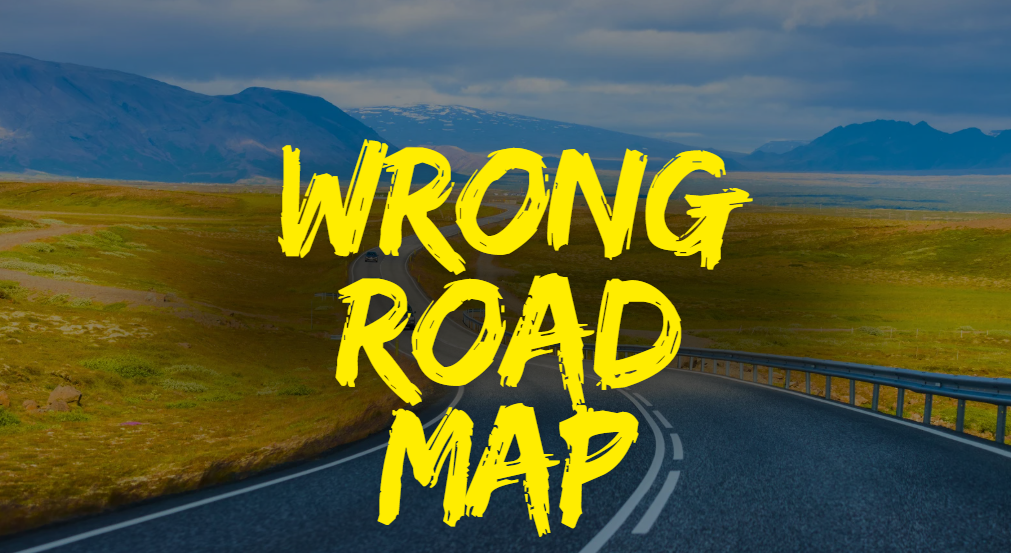
📌 What Is a “Wrong Roadmap”?
A wrong roadmap originally means a map that shows roads for driving. It also means a plan or guide for completing goals.
A WrongRoadMap is a plan or strategy that looks right but actually leads people in the wrong direction. It may be based on bad information, wrong assumptions, or unrealistic goals. Instead of helping, it can slow down progress and cause failure.
🧠 Why Do Wrong Roadmaps Happen?
There are many reasons why plans go wrong. Here are the main causes:
❌ 1. Bad or Outdated Information
If a plan uses old or incorrect facts, it will not work well. When data is not updated, your roadmap becomes useless because the real situation is different from the one the plan expects.
❌ 2. Unrealistic Expectations
Sometimes people set goals that are too big or too fast. If you tell a team to finish a big project in a tiny amount of time with few resources, the plan becomes unrealistic—and it will fail.
❌ 3. Poor Priorities
A plan can be wrong when it focuses on the wrong tasks. If priorities are not linked to your main goal, the team may work hard but still miss what really matters.
❌ 4. Lack of Flexibility
If a roadmap cannot change when things change, it becomes stuck. Good plans should be flexible, not rigid. When a plan cannot adjust, it becomes a WrongRoadMap.
📉 Signs of a Wrong Roadmap
How can you tell if your plan is going the wrong way? Here are some common signs:
🔹 Unmet Goals
If your team keeps missing deadlines and goals again and again, the roadmap might be wrong.
🔹 Confusion Among Team
When people don’t understand the purpose or steps of a plan, they may follow directions that don’t help the real goal.
🔹 Lost Time and Money
If effort and budget seem gone with little progress, the plan is likely misleading.
🔹 No Clear Direction
When members ask, “Why are we doing this?” It shows the roadmap lacks a clear path to success.
🧩 How to Fix a Wrong Roadmap
If you suspect your plan is wrong, do these steps:
✔ 1. Review the Plan Regularly
Don’t stick to a plan blindly. Check it often to ensure it still fits the real situation.
✔ 2. Use Fresh Data
Update facts and information. Old data can make your steps go off track.
✔ 3. Simplify Goals
Make goals small and clear. Smaller targets are easier to reach and adjust.
✔ 4. Talk With Your Team
Good communication stops confusion. Everyone should understand the purpose and steps in the roadmap.
✔ 5. Be Open to Change
A roadmap should adjust when new facts arrive. Don’t be afraid to make changes for better results.
📌 Wrong Roadmap in Daily Life
WrongRoadMaps are not only in big companies. They can happen in everyday life too, such as:
- Personal goals without a good plan
- Money or savings plans that are too hard to keep
- Study plans that don’t match your pace
- Fitness goals without realistic steps
In all these, a wrong roadmap can make success harder instead of easier.
📈 Why Understanding Wrong Roadmaps Matters
Knowing what a WrongRoadMap is helps you avoid wasted effort and broken plans. It makes you smarter in planning and better at reaching your goals. Whether you are a student, employee, manager, or business owner, knowing the difference between a good plan and a misleading one is a key skill in life.
❓ FAQs About WrongRoadMap
1. What is the meaning of a roadmap?
A roadmap means either a map showing roads or a plan or guide to reach
2. Why do some plans fail?
Plans fail when they use wrong data, have unrealistic goals, lack clear priority, or cannot change when needed.
3. Can a road map be good?
Yes. A good roadmap clearly shows steps based on real information and can be adjusted when needed. It guides people toward success.
4. How often should a plan be checked?
A roadmap should be reviewed often, especially when conditions change or new facts appear.
5. How do I avoid a wrong roadmap?
Use fresh facts, set real goals, communicate clearly with your team, and be flexible. Don’t stick to plans that no longer make sense.
🧠 Final Thoughts
Plans are meant to help, not to mislead. But if a roadmap is built on wrong information or bad assumptions, it becomes a WrongRoadMap—a guide that leads us the wrong way. By knowing the signs and learning how to fix your plans, you can avoid common mistakes and reach your goals in a smarter and more realistic way. Start with clear goals, real data, and flexible thinking—and you will stay on the right path.
